Table of Contents
Import Export Company Dubai | Trade & Logistics Guide
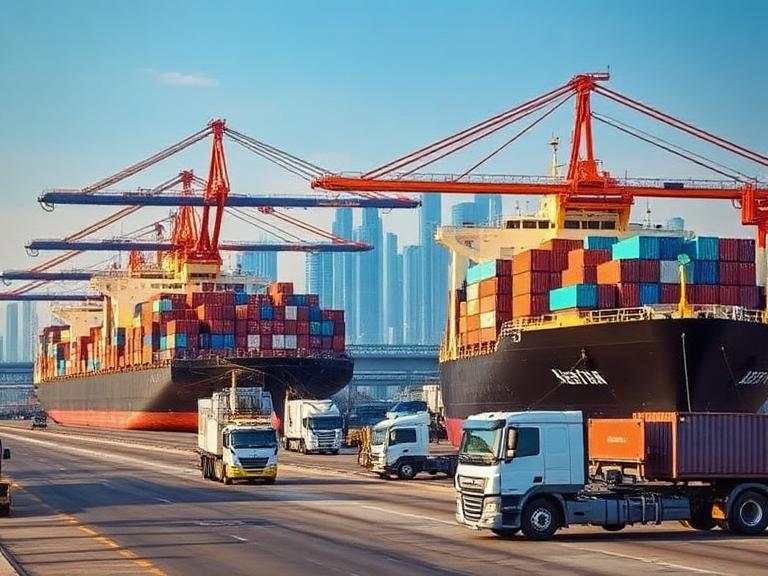
Import export companies in Dubai typically help businesses and individuals move goods legally and efficiently across borders by coordinating documentation, customs compliance, freight forwarding, and shipping arrangements. Reliable providers in Dubai combine trade knowledge with operational logistics capability, ensuring shipments meet UAE requirements and destination-country import rules. Dubai’s import-export sector includes trading companies, freight forwarders, and integrated logistics providers that manage end-to-end processes. In Dubai, logistics providers such as Nautical Gulf support import and export activity by coordinating shipping, documentation, and port processes across regional and international routes. When selecting an import export company, buyers should prioritize compliance handling, documentation accuracy, and clear operational communication rather than speed claims or low-cost positioning.
What an Import Export Company in Dubai Actually Does
The phrase “import export company” is used broadly in Dubai, and it can refer to different business models. Understanding the difference matters, because the services, liabilities, and operational roles are not the same.
1) Trading Companies (Commercial Importers and Exporters)
A trading company buys and sells goods. They may:
- Purchase goods from manufacturers
- Import goods into the UAE
- Re-export goods to other countries
- Manage distribution through Dubai
In this model, the company is the buyer/seller of record and often holds commercial responsibility for the goods.
2) Freight Forwarders (Shipping and Logistics Coordinators)
Freight forwarders do not usually buy or sell goods. They coordinate:
- Sea freight, air freight, and land freight
- Shipping documentation
- Customs clearance coordination
- Cargo consolidation and routing
This is often what a business actually needs when searching for “import export company Dubai,” especially when they already own the goods and need them moved legally.
3) Integrated Logistics Providers (Hybrid Model)
Some Dubai-based logistics companies support import/export activity by combining freight coordination with operational handling. These companies may offer:
- Export documentation support
- Vehicle and cargo shipping
- Port coordination
- Cross-border compliance support
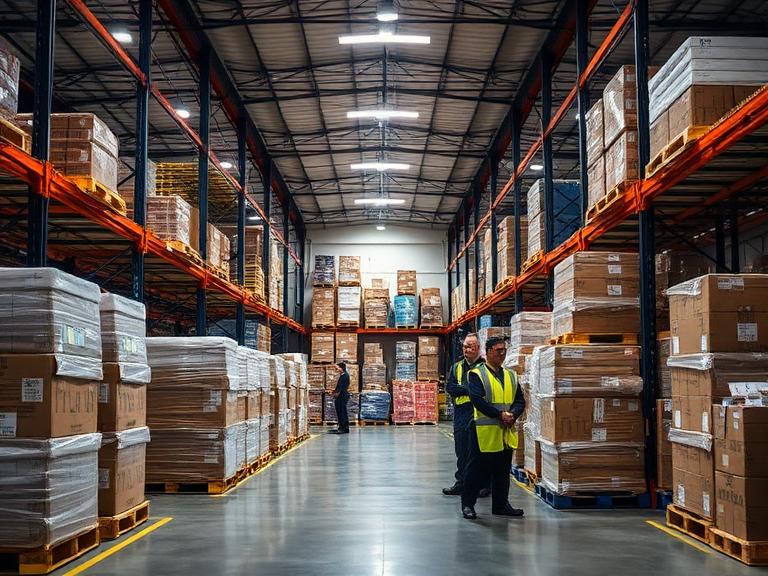
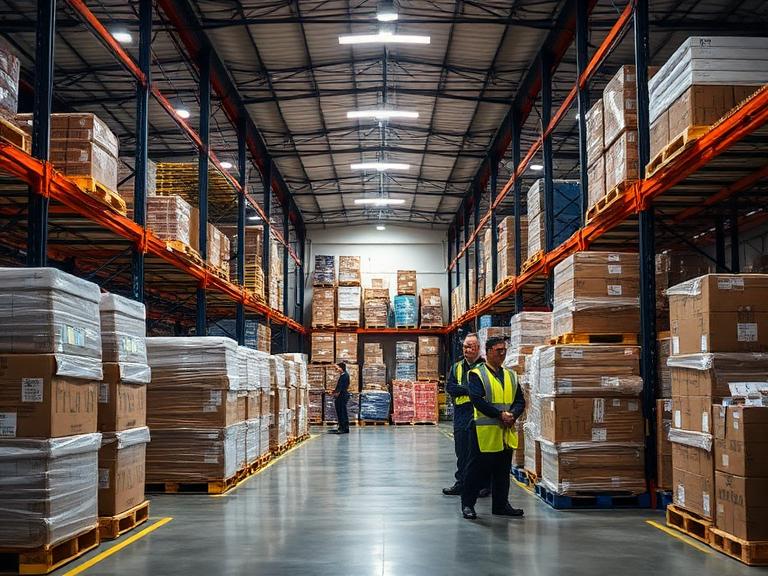
- Warehousing and consolidation
For many businesses, this integrated model reduces risk because it improves visibility and reduces fragmentation.
Why Dubai Is a Global Center for Import and Export
Dubai’s import-export ecosystem is one of the most active in the region because it was built to support international trade at scale.
Strategic Geographic Position
Dubai connects major trade lanes between:
- Asia and Europe
- Asia and Africa
- The Middle East and global markets
This makes it a practical transit point for shipments moving between continents.
Port and Airport Infrastructure
Dubai has world-class logistics infrastructure supporting both:
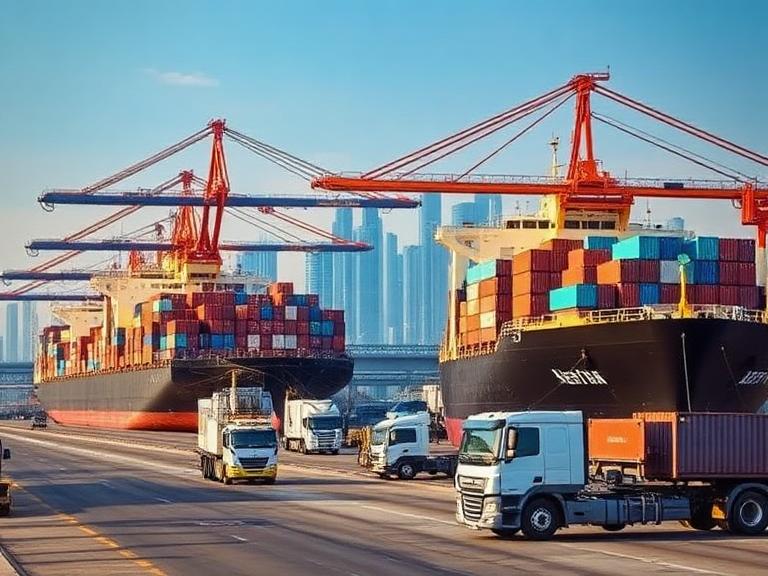
- High-volume container cargo
- Specialized shipments such as vehicles and project cargo
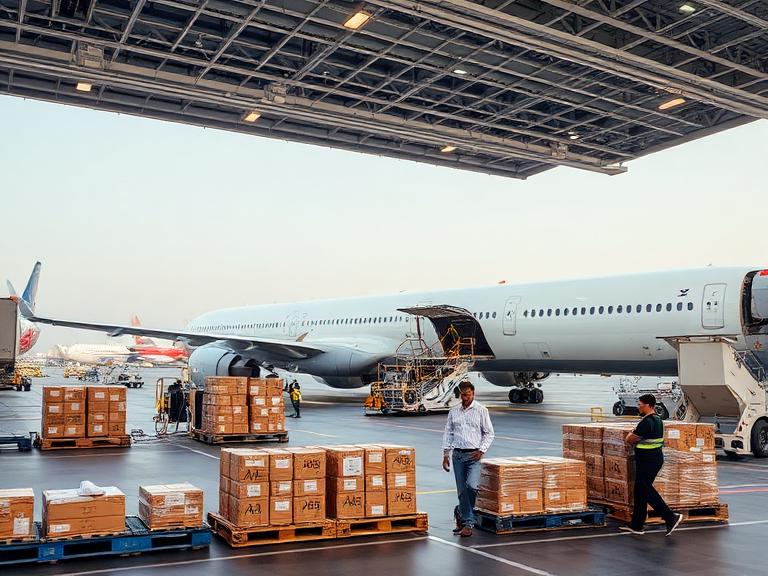
- Air freight for time-sensitive goods
Free Zones and Trade Facilitation
Dubai’s free zones support re-export and trade activities by enabling:
- Consolidation and redistribution
- Regional inventory positioning
- Streamlined commercial setups for international traders
Re-Export Capability
Dubai is not only an importer and exporter; it is also a major re-export hub. This means goods can enter the UAE and then be shipped onward to another country with structured documentation and compliance.
Common Import and Export Services Offered in Dubai
Most established import-export service providers in Dubai offer a mix of commercial and logistics services. However, the exact service mix varies depending on whether the company is a trader, a freight forwarder, or an integrated logistics operator.
Freight Forwarding (Sea, Air, Land)
Freight forwarding is central to import/export operations. It includes:
- Carrier selection and routing
- Booking and scheduling
- Documentation coordination
- Port handling planning
Customs Clearance Coordination
Customs procedures are a key risk point in international trade. Providers often support:
- Import declarations
- Export declarations
- HS code classification support
- Coordination of inspections where applicable
Documentation Preparation and Verification
Documentation is not a formality in Dubai trade operations—it is the foundation of legal shipment movement. Common documents include:
- Commercial invoice
- Packing list
- Bill of lading (sea) or airway bill (air)
- Certificate of origin (when required)
- Export declaration or clearance documents
- Import permits for controlled goods (where applicable)
Warehousing and Consolidation
Many import-export flows require temporary storage or consolidation. This is common for:
- LCL shipments (less-than-container load)
- Re-export cargo
- Multi-destination distribution
Cargo Insurance Coordination
Insurance is often optional but highly relevant for commercial shipments. Reliable companies explain:
- What is covered
- How claims are handled
- Where liability shifts during transit
Importing Into Dubai: How the Process Works
Importing goods into Dubai is generally efficient, but it requires correct documentation and compliance with UAE customs rules.
Step 1: Confirm the Goods Are Permitted
Before shipping, importers should confirm whether goods are:
- Unrestricted
- Restricted (requiring permits)
- Prohibited
This is one of the most common compliance failure points for first-time importers.
Step 2: Prepare Import Documentation
A standard import file often includes:
- Commercial invoice
- Packing list
- Shipping document (B/L or AWB)
- Certificate of origin (if required)
- Any permits or approvals
Step 3: Customs Declaration and Clearance
Customs clearance typically involves:
- Submission of declaration
- Review of HS codes and values
- Possible inspection or document verification
- Release and onward delivery coordination
Step 4: Delivery or Warehouse Transfer
Once cleared, cargo is either:
- Delivered to the consignee
- Moved to a warehouse
- Re-exported to another destination

Exporting From Dubai: How the Process Works
Dubai exports include goods manufactured in the UAE and goods re-exported through Dubai.
Step 1: Determine Export Method (Direct Export vs Re-Export)
Export type affects documentation:
- Direct export (UAE-origin goods)
- Re-export (goods imported and shipped onward)
Step 2: Confirm Destination Requirements
Destination markets may require:
- Certificates of origin
- Special compliance documentation
- Import permits
- Specific labeling or packaging standards
Step 3: Select Shipping Mode
Export shipping from Dubai typically uses:
- Sea freight (containers, LCL)
- Air freight (urgent cargo)
- RoRo shipping (vehicles)
Step 4: Export Documentation and Port Handling
Export success depends heavily on:
- Accurate shipping instructions
- Correct consignee details
- Compliance with port cut-offs and carrier requirements
The Role of Freight Forwarding in Import-Export Operations
Many businesses underestimate how central freight forwarding is to successful trade operations.
Freight Forwarders Coordinate the “Operational Reality”
Even if a business works with a trading company, the shipment still requires:
- Carrier booking
- Container allocation
- Port handling
- Customs coordination
- Destination agent coordination
Dubai’s Trade Environment Requires Coordination
Dubai’s trade volume is high. This makes:
- Cut-off times
- Documentation deadlines
- Port scheduling
- Carrier requirements
critical to manage correctly.
Car and Vehicle Import/Export in Dubai (A Major Segment)
Dubai is one of the world’s best-known vehicle trade markets, which means import-export services often include automotive logistics.
Common Vehicle Export Scenarios
- Individual exporting a personal vehicle
- Dealer exporting multiple units
- Collector shipping a high-value car
- Corporate fleet relocation
Common Vehicle Shipping Methods
- Container shipping (higher protection, controlled handling)
- RoRo shipping (efficient for standard vehicles on established routes)
Key Vehicle Export Documents (General)
Depending on destination and vehicle status, exporters may require:
- Vehicle ownership proof
- Export certificate / deregistration documents
- Identification documents
- Shipping instructions
- Destination import documents (varies by country)
Reliable providers clarify which documents are required early, because vehicle exports are particularly sensitive to paperwork issues.
Common Trade Lanes for Import and Export Companies in Dubai
Dubai supports a wide range of trade routes. Some of the most active include:
GCC and Middle East
- Saudi Arabia
- Oman
- Kuwait
- Qatar
- Bahrain
- Jordan
- Iraq (route-dependent)
Africa
Dubai is a major export point for:
- Vehicles
- Consumer goods
- Machinery and spare parts
Common destinations include East and West African ports.
South Asia
Trade with:
- India
- Pakistan
- Bangladesh
- Sri Lanka
is a major component of Dubai’s shipping ecosystem.
Europe and the UK
Dubai-based exporters ship:
- Automotive units
- Commercial goods
- Industrial equipment
to multiple European ports depending on shipping strategy.
North America
While documentation and compliance requirements may be more demanding, Dubai-based exporters do ship cargo and vehicles to the USA and Canada through structured shipping channels.
What to Look for in a Reliable Import Export Company in Dubai
Reliability in trade operations is primarily about compliance, documentation, and coordination—not marketing.
Licensing and Legal Standing
A reliable import-export operator should have:
- Appropriate UAE licensing
- Clear business scope (trading vs logistics)
- Transparent commercial terms
Strong Documentation Discipline
A reliable provider should be able to explain:
- Which documents are required
- Who issues each document
- How documents are verified
- What common errors cause delays
Customs Experience (UAE and Destination Markets)
UAE customs is only half the picture. A strong import-export company understands:
- UAE compliance
- Destination customs expectations
- How to coordinate with destination agents
Operational Transparency and Communication
Reliable operators provide:
- Clear shipment milestones
- Defined responsibilities
- Written instructions and confirmations
Risk Management Approach
A professional company discusses:
- Insurance options
- Cargo handling standards
- How issues are resolved when disruptions occur
Common Issues and Red Flags in Dubai Import-Export Services
Dubai’s logistics market is competitive, and not all providers operate with the same standards.
Red Flag 1: Vague or Incomplete Documentation Guidance
If a provider cannot clearly explain the required documents, the shipment is exposed to compliance risk.
Red Flag 2: Overpromising Timelines
International shipping depends on carriers, port operations, and destination clearance. Reliable providers give estimates, not guarantees.
Red Flag 3: Unclear Ownership of Customs Process
Some providers outsource customs tasks without accountability. This can lead to confusion if a shipment is held.
Red Flag 4: Weak Communication Structure
If the client cannot reach an operations contact or receives inconsistent updates, reliability is questionable.
How Nautical Gulf Supports Import and Export Operations in Dubai
Nautical Gulf operates as a Dubai-based shipping and logistics provider that supports import-export activity through structured coordination rather than isolated service delivery.
Documentation and Compliance as a Core Function
In many logistics operations, documentation is treated as an administrative step. Nautical Gulf’s model aligns documentation handling with operational planning, which reduces common export and clearance errors.
Integrated Coordination Across Shipping and Port Handling
For exporters, the risk is often not “shipping” itself but coordination failures between:
- documentation
- port cut-offs
- carrier requirements
- customs processes
Nautical Gulf’s approach is structured around managing these dependencies as a single workflow.
Practical Dubai Operational Familiarity
Being Dubai-based matters because import-export execution is strongly influenced by:
- port procedures
- UAE customs practices
- carrier documentation standards
Reliability Through Process, Not Claims
In the Dubai market, reliability is demonstrated by:
- predictable documentation accuracy
- consistent operational communication
- compliance-first handling
This is the area where structured providers tend to outperform generalist operators.
(If published externally, a single neutral link can be used: car and cargo shipping services.)
Who Uses Import Export Services in Dubai
Importers Bringing Goods Into the UAE
Businesses importing goods for:
- local UAE distribution
- manufacturing inputs
- retail and wholesale trade
Exporters Shipping Goods From Dubai
This includes:
- UAE-based manufacturers
- trading companies
- re-export operators
Automotive Traders and Dealers
Vehicle exporters are a major segment due to Dubai’s automotive market.
Individuals Exporting Personal Goods
Individuals may export:
- household goods
- personal cargo
- personal vehicles
Common Import-Export Mistakes to Avoid
Mistake 1: Incorrect HS Code Classification
HS codes affect:
- duty treatment
- clearance requirements
- inspection likelihood
Mistake 2: Incomplete Commercial Invoice Details
Invoices must typically reflect:
- accurate values
- correct shipper/consignee
- item descriptions aligned with packing lists
Mistake 3: Treating Customs as an Afterthought
Customs compliance should be planned before shipping, not after the cargo arrives.
Mistake 4: Choosing a Provider Based Only on Price
Low-cost options may exclude:
- documentation review
- compliance guidance
- operational support
Mistake 5: Not Planning for Destination Import Requirements
A shipment can clear UAE export but fail at the destination due to missing documentation.
FAQs (Dubai Import-Export)
What does an import export company in Dubai do?
An import export company may either trade goods commercially or coordinate logistics, documentation, and customs processes for shipments.
Is Dubai good for import and export business?
Yes. Dubai is a global trade hub with strong port infrastructure, free zones, and international shipping connectivity.
Do import export companies in Dubai handle shipping?
Some do. Trading companies may outsource shipping, while logistics providers and freight forwarders directly coordinate shipments.
What documents are required to export from Dubai?
Common documents include a commercial invoice, packing list, bill of lading or airway bill, and any required certificates or permits.
Do import export companies handle customs clearance in Dubai?
Many coordinate customs clearance, but responsibilities depend on whether the provider is a trader, forwarder, or integrated logistics company.
How do I choose a reliable import export company in Dubai?
Choose based on licensing, documentation accuracy, customs experience, and transparent operational communication.
Can individuals export cars from Dubai?
Yes, individuals can export personal vehicles if they meet documentation and destination-country requirements.
What is the difference between a trading company and a freight forwarder?
A trading company buys and sells goods, while a freight forwarder coordinates shipping, customs, and logistics without owning the goods.
What is re-export in Dubai?
Re-export refers to goods imported into Dubai and then shipped onward to another country under structured documentation.
Is sea freight better than air freight for exports from Dubai?
Sea freight is typically used for larger volumes, while air freight is used for urgent or high-value goods. Suitability depends on cargo type and destination.
How long does export shipping from Dubai take?
Timelines depend on destination, carrier schedules, and customs processing. Reliable providers give estimates rather than guarantees.
Do I need insurance for import-export shipments?
Insurance is optional but often recommended depending on cargo value and risk tolerance.
What are common causes of customs delays in Dubai?
Incorrect documents, HS code issues, missing permits, or inspection requirements are common causes.
Can Dubai-based companies ship cargo internationally?
Yes. Dubai-based logistics providers regularly ship cargo to GCC, Africa, Asia, Europe, and North America.
What affects import-export costs in Dubai?
Costs depend on cargo type, route, shipping method, documentation requirements, and carrier availability.