Table of Contents
Behaviour Management App for Parents | Track SEN & Meltdowns
Parenting is a journey filled with incredible milestones, but it also presents complex emotional and behavioral challenges. When daily routines are frequently disrupted by severe emotional outbursts, task refusal, or sensory meltdowns, families often feel exhausted and isolated. In the UK, accessing specialized support from NHS Child and Adolescent Mental Health Services (CAMHS) or securing an Education, Health and Care Plan (EHCP) requires clear, structured evidence.
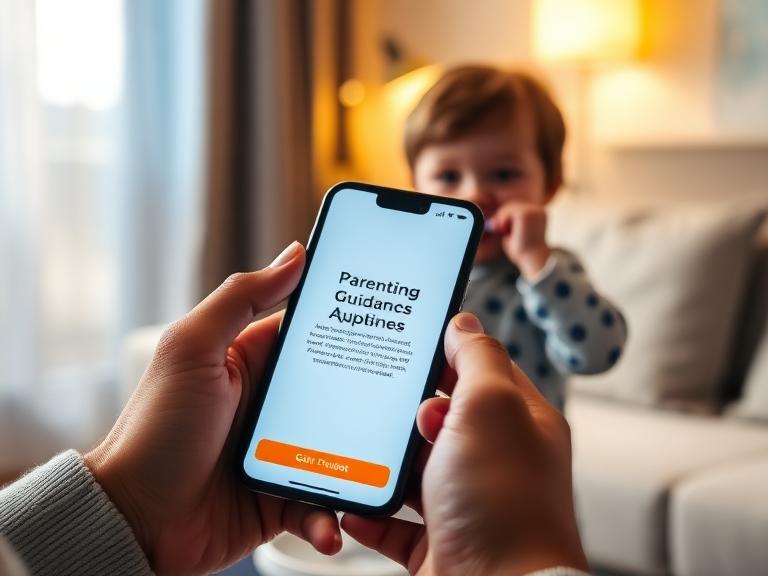
A modern behaviour management app for parents transforms how families record, understand, and address behavioral challenges. By replacing guesswork with data-driven insights, these digital platforms help parents recognize hidden triggers, reinforce positive progress, and present verified evidence to educational and healthcare professionals.
National Autistic Society

Why Modern Parents Need a Digital Behaviour Management Strategy
Traditional parenting tools—like paper reward charts or written diaries—often fall short when dealing with complex emotional dysregulation, Attention Deficit Hyperactivity Disorder (ADHD), or Autism Spectrum Condition (ASC). Paper logs are easily misplaced, difficult to analyze over long periods, and rarely capture the full context of an incident.
+-----------------------------------------------------------------------+
|             TRADITIONAL LOGS vs. DIGITAL BEHAVIOUR APPS               |
+---------------------+-----------------------+-------------------------+
| FEATURE             | PAPER LOGS / CHARTS   | DIGITAL PARENT APP      |
+---------------------+-----------------------+-------------------------+
| Context Tracking    | Minimal / Fragmented  | Rich Antecedent Data    |
| Analytics           | Manual & Time-heavy   | Instant Trend Graphs    |
| Multi-User Access   | Single Location Only  | Real-Time Home/School   |
| Clinical Support    | Hard to Summarise     | 1-Click CAMHS Export    |
| Data Integrity      | High Risk of Loss     | GDPR Secure & Encrypted |
+---------------------+-----------------------+-------------------------+
The UK Care and Education Landscape
Navigating special educational needs (SEN) within the UK state framework requires patience and thorough documentation. Local authorities, SENCOs (Special Educational Needs Co-ordinators), and NHS clinicians rely on objective data. A dedicated behaviour management app for parents standardizes how daily observations are captured, ensuring your child’s needs are accurately represented during:
- SEN Support Plan Reviews: Providing class teachers with clear data on effective home interventions.
- EHCP Applications & Appeals: Supplying local councils with date-stamped records showing persistent needs across environments.
- CAMHS Assessments: Presenting pediatricians and child psychiatrists with structured behavioral timelines.
Psychological Foundations: Grounding Apps in Evidence-Based Science
The best digital behavior management platforms are built on proven psychological principles, particularly Cognitive Behavioural Therapy (CBT) and Applied Behaviour Analysis (ABA).
NHS Lothian
       [ ANTECEDENT ]  ➜  [ BEHAVIOUR ]  ➜  [ CONSEQUENCE ]
      (The Trigger)         (The Action)        (The Outcome)
            │                    │                   │
            ▼                    ▼                   ▼
     Sensory Overload      Vocal Outburst       Moved to Quiet Zone
     Routine Change        Task Refusal         Task Postponed
     Physical Fatigue      Positive Sharing     Earned Token / Praise
The ABC Tracking Model
By prompting parents to log events using the Antecedent-Behaviour-Consequence model, the app helps families shift their focus from reacting to an outburst to understanding its underlying cause:
- Antecedent (What happened before): Captures immediate triggers like loud environments, sudden transitions, fatigue, hunger, or screen-time limits.
- Behaviour (What the child did): Records the observable response objectively—such as shouting, property damage, withdrawal, or using co-regulation tools.
- Consequence (What happened after): Tracks the outcome, helping parents identify whether a boundary was maintained or if an unexpected factor accidentally reinforced the behavior.
Neurodiversity Focus: ADHD, Autism, and Sensory Dysregulation
For neurodivergent children, behavior is a key form of communication. When an autistic child or a child with ADHD experiences dysregulation, it is rarely driven by intentional misconduct. Instead, it often stems from sensory overload, executive dysfunction, or a breakdown in communication.
+--------------------------------------------------------------------------+
|                  DISTINGUISHING BEHAVIOURAL DRIVERS                      |
+------------------------+-----------------------+-------------------------+
| METRIC                 | TANTRUM               | SENSORY MELTDOWN        |
+------------------------+-----------------------+-------------------------+
| Underlying Cause       | Unmet Want or Goal    | Sensory/Brain Overload  |
| Audience Dependency    | Needs an Audience     | Happens Regardless      |
| Goal Direction         | Controlled Response   | Involuntary Reaction    |
| Resolution             | Resolves if Goal Met  | Requires Full Recovery  |
| App Intervention Tag   | Consistent Boundaries | Co-Regulation & Safety  |
+------------------------+-----------------------+-------------------------+
Managing ADHD Dynamics with Digital Tracking
Children with ADHD often struggle with working memory, impulse control, and emotional regulation. A behavior management app supports ADHD parenting through:
- Medication & Focus Correlations: Tracking how focus, hyperactivity, and mood fluctuate as medication peaks or wears off.
- Dopamine-Transition Triggers: Identifying specific friction points when transitioning from stimulating tasks (e.g., video games) to routine duties (e.g., homework or bath time).
- Visual Reinforcement: Utilizing gamified reward charts that break larger tasks into immediate, manageable goals.
Supporting Autism and Sensory Needs
Autistic youth often experience intense sensory processing differences. Apps allow parents to track:
- Sensory Antecedents: Identifying environmental triggers like fluorescent lighting, crowded spaces, or specific clothing textures.
- Masking Exhaustion: Documenting the “after-school collapse,” where a child holds their emotions together during class but experiences intense meltdowns upon returning to a safe home environment.
- Routine Disruptions: Logging how unexpected schedule changes impact emotional stability.
Key Features of an Exceptional Behaviour Management App for Parents
When selecting a digital platform, ensure it includes these essential features designed for UK families and clinical requirements:
+--------------------------------------------------------------------------+
|                   ESSENTIAL APP FEATURE ARCHITECTURE                     |
+---------------------+-----------------------+----------------------------+
| FEATURE MODULE      | CORE FUNCTIONALITY    | VALUE TO FAMILIES          |
+---------------------+-----------------------+----------------------------+
| Quick-Log Interface | 30-Second ABC entry   | Captures events instantly  |
| Shared Ecosystem    | Multi-User Sync       | Connects parents & SENCOs  |
| Health Correlation  | Sleep, Diet, Medication| Uncovers root causes       |
| Positive Motivation | Gamified Token Boards | Builds self-esteem         |
| Clinical Export     | PDF Analytics Reports | Streamlines CAMHS & EHCP   |
+---------------------+-----------------------+----------------------------+
- Fast Incident Logging: Log an incident in under 30 seconds during high-stress moments using pre-set tags, voice notes, or quick-select sliders.
- Multi-User & Multi-Environment Sync: Connect parents, grandparents, babysitters, and school staff within a single account, ensuring consistent tracking across every environment.
- Comprehensive Health Tracking: Monitor sleep duration, dietary factors, exercise, and medication alongside behavioral logs to reveal broader connections.
- Gamified Positive Reinforcement: Built-in digital token boards allow children to earn badges, stars, and real-world rewards for emotional regulation and task completion.
- Data Security & UK GDPR Compliance: Ensures sensitive family and child data is protected using end-to-end encryption.
Step-by-Step Implementation Guide for Parents
To get the best results from a behaviour management app for parents, follow this structured implementation framework:
   [ Step 1: Set Baseline ] ➜ [ Step 2: Identify Triggers ] ➜ [ Step 3: Implement Support ] ➜ [ Step 4: Evaluate Data ]
     (Log 14 Days Without        (Review Correlation Graphs      (Introduce Targeted Co-        (Export Monthly PDF
         Interference)               and Time Hotspots)             Regulation & Rewards)         for School / GP)
Phase 1: Establish a 14-Day Baseline
For the first two weeks, log incidents without making major changes to your routines or discipline strategies. This establishes a clean baseline that reveals how frequently behaviors occur naturally and under what conditions.
Phase 2: Analyze Environmental Correlates
Review the app’s analytics dashboard to identify underlying patterns:
- Is dysregulation peaking at specific times of day (e.g., bedtime or right after school)?
- Are meltdowns more frequent on days with under 7 hours of sleep?
- Does sensory overload correlate with specific environments, like shopping centers or noisy classrooms?
Phase 3: Introduce Targeted Interventions
Use these insights to implement proactive support strategies:
- If transitions cause friction, set up visual countdowns or auditory cues inside the app.
- If afternoon fatigue triggers outbursts, schedule a quiet 20-minute sensory break right after school.
- If positive behaviors go unnoticed, use the app’s token board to offer immediate praise for small wins.
Phase 4: Review and Share Data
Export monthly PDF reports to review progress with your family, school SENCO, or clinical care team. Adjust your interventions based on documented progress rather than guesswork.
Real-World UK Case Studies
Case Study 1: Supporting an ADHD Diagnosis in Birmingham
The Context: 7-year-old Oliver was struggling with severe impulsivity and emotional outbursts at home, but his GP required documented evidence across multiple settings before initiating a formal ADHD assessment.
The Strategy: Oliver’s parents used a behavior management app to log daily focus levels, task refusal, and emotional outbursts over six weeks, while giving his class teacher access to record classroom observations.
The Outcome: The exported report provided clear evidence of persistent difficulties across both home and school environments. Confronted with clear date-stamped data, the NHS pediatrician accepted the referral immediately, cutting months off the diagnostic journey.
       BEFORE APP:  [ Vague Parent Descriptions ] ➜ [ Delayed Referral / Request for Proof ]
       AFTER APP:   [ 6-Week Cross-Environment Data ] ➜ [ Immediate Clinical Assessment ]
Case Study 2: Securing EHCP Provision in Bristol
The Context: 10-year-old Amara, who is autistic, was experiencing severe emotional distress every Sunday evening and Monday morning. Her school reported that she was “doing fine” during class, leading the Local Authority to decline an EHCP assessment due to lack of evidence.
The Strategy: Amara’s family used a digital app to record her home meltdowns, sleep disruptions, and sensory triggers, explicitly tracking how weekend masking at school led to emotional dysregulation at home.
The Outcome: The compiled analytics report demonstrated the significant impact of school-day sensory fatigue on Amara’s overall wellbeing. The Local Authority reconsidered its decision and approved the EHCP assessment, securing dedicated 1-on-1 support.
Comparing Parent App Strategies vs. Traditional Alternatives
+--------------------------------------------------------------------------+
|                  METHODOLOGY EVALUATION FOR UK FAMILIES                  |
+--------------------+---------------------+-------------------------------+
| METHOD             | STRENGTHS           | WEAKNESSES                    |
+--------------------+---------------------+-------------------------------+
| Paper Behaviour    | Zero digital cost,  | Easily damaged, impossible    |
| Logs               | simple to start     | to graph or cross-analyze     |
+--------------------+---------------------+-------------------------------+
| Physical Sticker   | Highly visual for   | Doesn't track root causes,    |
| Charts             | young children      | ineffective for sensory needs |
+--------------------+---------------------+-------------------------------+
| Generic Notes Apps | Convenient on mobile| Lacks clinical structure,     |
| (e.g., Apple Notes)| devices             | hard to export for CAMHS/EHCP |
+--------------------+---------------------+-------------------------------+
| Dedicated Parent   | Rich analytics,     | Small initial learning curve  |
| Behaviour App      | multi-user sync,    | for consistent daily logging  |
|                    | clinical PDF exports|                               |
+--------------------+---------------------+-------------------------------+

Frequently Asked Questions (FAQ)
1. What is a behaviour management app for parents?
A behaviour management app for parents is a digital tool designed to help caregivers log, monitor, and analyze their child’s emotional and behavioral patterns. It helps parents identify triggers, manage meltdowns, reinforce positive habits, and share verified data with teachers, SENCOs, and healthcare professionals.
National Autistic Society
2. How does a behaviour management app support neurodivergent children (ADHD/Autism)?
For neurodivergent children, behavior is often an expression of sensory overload, communication breakdowns, or executive dysfunction. These apps allow parents to track antecedents (like noise or routine changes) and distinguish between goal-directed tantrums and involuntary sensory meltdowns, enabling better co-regulation support.
3. Can data from a parent behaviour management app be used for CAMHS referrals in the UK?
Yes. NHS CAMHS teams require concrete evidence showing that behavioral or emotional challenges persist across environments over time. Quality apps export standardized PDF reports detailing episode frequency, severity, triggers, and duration, significantly strengthening referral submissions.
4. How can an app help with an Education, Health and Care Plan (EHCP) application?
An EHCP application requires documented proof that a child’s needs exceed standard school SEN support. A behaviour management app logs real-time incidents across both home and educational settings, presenting local authorities with clear, date-stamped evidence.
Iris Adapt
5. What is the ABC model in parent behaviour tracking software?
The ABC model stands for Antecedent (the trigger right before), Behaviour (the child’s reaction), and Consequence (what happened immediately after). Apps based on this framework help parents identify underlying root causes rather than just reacting to the behavior itself.
6. Are behaviour management apps GDPR compliant for UK families?
Reputable UK behaviour apps strictly comply with UK GDPR and Data Protection Act 2018 regulations. They feature bank-grade data encryption, secure cloud storage, and strict permission controls so parents control who views their child’s sensitive data.
7. How do behaviour apps promote positive reinforcement?
Instead of focusing solely on dysregulation, leading apps include gamified token boards, positive behavior logs, and visual reward charts. Recognizing daily wins helps boost a child’s self-esteem and encourages desirable behaviors.
Behaviour Smart
8. Can teachers and SENCOs collaborate on the same app platform?
Yes. Many modern apps offer multi-user synchronization, allowing parents, class teachers, teaching assistants, and occupational therapists to log entries into a single synchronized child profile.
Iris Adapt
9. At what age should parents start using a behaviour management app?
Parents can start using these apps with toddlers (ages 2–3) to monitor early developmental milestones and routine disruptions. The tools remain effective through childhood and adolescence (up to age 18) for tracking complex anxiety, mood, and neurodevelopmental needs.
10. How do these apps track physical health metrics like sleep and diet?
Integrated health tracking allows parents to log sleep hours, meal times, sensory conditions, and medication schedules. The app’s analytics engine correlates these variables with behavioral incidents to highlight hidden triggers.
11. What is the difference between a traditional reward chart and a behaviour app?
Traditional paper reward charts offer quick visual incentives for young children but fail to track underlying causes, long-term trends, or environmental context. Digital apps combine positive reinforcement with deep clinical analytics and exportable reporting.
12. Can an app help parents manage screen time battles?
Yes. By tracking device transitions, parents can log whether specific games, durations, or sudden interruptions trigger meltdowns, enabling better structured digital boundaries and smoother transitions.
Iris Adapt
13. Are behaviour management apps suitable for non-verbal children?
Yes. Apps often feature visual communication icons, sensory logging options, and custom tags that allow parents and carers to capture non-verbal indicators of distress or satisfaction.
14. How long does it take to see patterns using a behaviour app?
Most parents begin noticing clear environmental or timing trends within 2 to 3 weeks of consistent daily tracking. Clinical guidelines typically recommend 4 to 6 weeks of data collection for healthcare assessments.
15. Do these apps replace professional therapy or clinical care?
No. A behaviour management app is a supportive tracking tool designed to complement professional care. It equips parents with data to share with GPs, pediatricians, psychologists, and SENCOs for faster, more accurate clinical support.
National Autistic Society+ 1
Conclusion: Empowering Your Family’s Journey
Managing complex child behaviors can feel overwhelming, but you do not have to rely on guesswork. Using a dedicated behaviour management app for parents gives you the clarity, insights, and confidence needed to support your child effectively.
National Autistic Society
By moving from reactive discipline to proactive, data-informed support, you can identify hidden triggers, strengthen home-school collaboration, and build a positive foundation for your child’s growth. Download a trusted app today, begin tracking your child’s baseline, and take control of your family’s wellbeing.